
Bubble Wrap, Polyfoam or Stretch Film: Which Packaging Material Is Best for Your Product?
- olmpospack
- 16 dic 2025
- 3 min de lectura

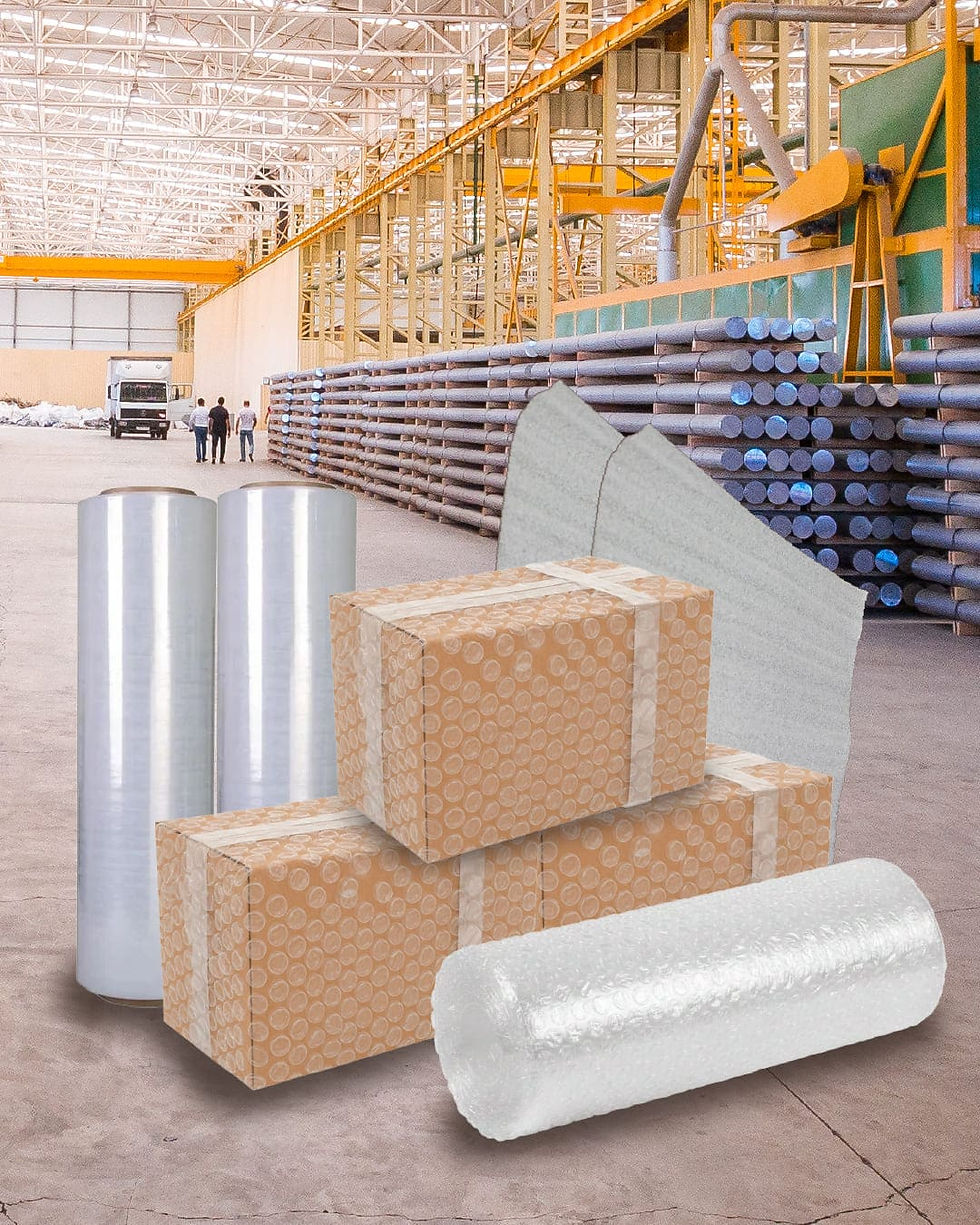
Choosing the right packaging material is a key decision for any business that ships, stores, or transports products. A poor choice can lead to damage, returns, and unnecessary costs, while the right material improves protection, logistics efficiency, and reduces losses.
Among the most commonly used materials are bubble wrap, polyfoam (foam), and stretch film. Although they are often used interchangeably, each one serves a very different purpose. In this article, we explain when to use each one and which is best for your product.
Why Is It Important to Choose the Right Packaging Material?
Packaging does more than protect a product—it also affects:
Safety during transportation
Efficiency in warehouses and distribution centers
Your brand’s professional image
Logistics cost per unit
Reduction of returns and customer complaints
That’s why understanding the differences between bubble wrap, polyfoam, and stretch film is essential.

Bubble Wrap: Protection Against Impacts and Vibration
Bubble wrap is one of the most popular packaging materials thanks to its versatility and impact-absorbing properties.
When Should You Use Bubble Wrap?
Fragile products (glass, ceramics, décor items)
Electronics
Parcel and courier shipments
Products that need protection from vibration
Main Benefits
Excellent shock absorption
Flexible and easy to wrap around different shapes
Lightweight, so it doesn’t significantly increase shipping weight
Ideal for internal packaging inside boxes
Limitations
Does not secure loads
Can be crushed under heavy weight
Not suitable for palletizing on its own

Polyfoam: Protection for Delicate Surfaces
Polyfoam, also known as polyethylene foam, is mainly used to protect surfaces from scratches, friction, and marks.
When Is Polyfoam the Best Choice?
Furniture
Appliances
Flat glass
Painted or polished parts
High aesthetic-value products
Advantages of Polyfoam
Soft, scratch-resistant surface
Absorbs light impacts
Does not retain moisture
Very lightweight and easy to handle
Limitations
Lower impact absorption compared to bubble wrap
Does not secure loads or replace pallet wrapping

Stretch Film: Load Stability and Pallet Protection
Stretch film is not designed to protect individual products but to secure and stabilize entire pallet loads.
When Should You Use Stretch Film?
Palletized goods
Transportation of large volumes
Warehouse storage
Distribution and export operations
Benefits of Stretch Film
Keeps loads firm and stable
Prevents movement during transport
Protects against dust and moisture
Improves handling and logistics efficiency
Limitations
Does not protect against direct impacts
Does not prevent surface scratches
To explore all our packaging solutions:
Bubble Wrap, Polyfoam or Stretch Film: Quick Comparison
Material | Impact Protection | Scratch Protection | Load Securing | Main Use |
Bubble wrap | ✔️ High | ✔️ Medium | ❌ | Internal packaging |
Polyfoam | ✔️ Low | ✔️ High | ❌ | Surface protection |
Stretch film | ❌ | ❌ | ✔️ High | Pallet wrapping |
Which Packaging Material Is Best for Your Product?
In most cases, the correct answer is: a combination of materials.
Fragile products: bubble wrap + stretch film
Furniture and appliances: polyfoam + stretch film
Palletized shipments: internal protection + stretch film
Industrial shipping: choose based on weight, fragility, and transport method
Using the right combination improves protection and reduces damage-related costs.
Common Packaging Mistakes to Avoid
Using only stretch film for fragile products
Protecting delicate surfaces with bubble wrap only
Overloading bubble wrap with excessive weight
Not calculating real cost per use
Choosing materials without considering the product type
Avoiding these mistakes can significantly reduce losses.
There is no single “best” packaging material for every situation. The best packaging solution is the one that fits your product, your operation, and your logistics needs. Understanding the differences between bubble wrap, polyfoam, and stretch film helps you protect your products better, streamline processes, and save money in the long run.
Find the best option for you by clicking THIS LINK or contact us via WhatsApp: